
The SAP ECC 2027 Deadline
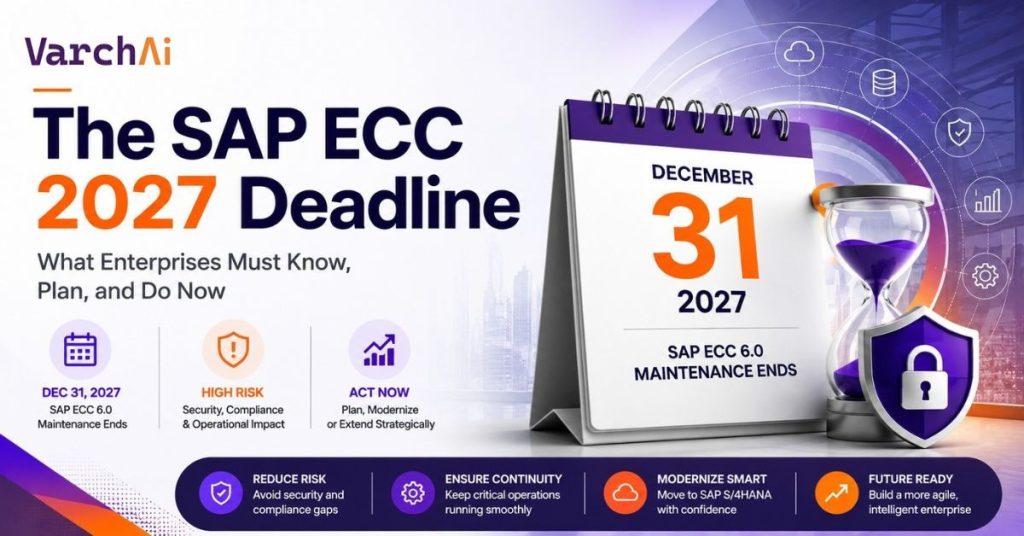
The SAP ECC 2027 Deadline | Varchai Mainstream maintenance for SAP ECC 6.0 (EHP 6–8) ends December 31, 2027. SAP has confirmed there will be no further extensions. For enterprises still running ECC, the runway is shorter than the calendar suggests. ~17 months left until mainstream maintenance ends, as of mid-2026 <50% of ECC customers […]
Clean Core or Technical Debt: The SAP Architecture Decision Enterprises Can’t Postpone
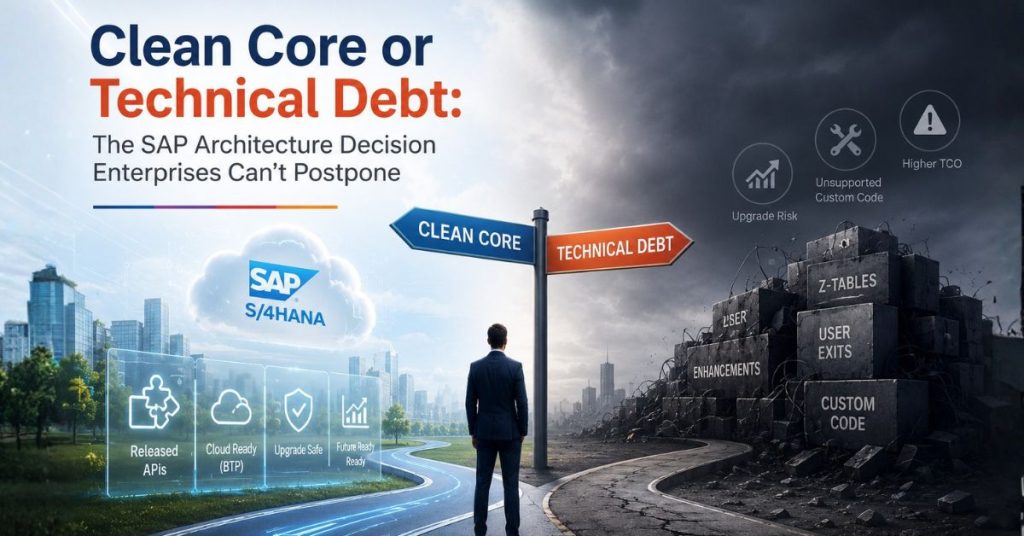
Every SAP customer is making the same architecture decision right now, whether they realize it or not. Each customization request, each Z-table, each workaround that ships today becomes either an asset or a liability the moment the next major upgrade lands. For most of the last two decades, that distinction was mostly a matter of […]
Hybrid ERP Estates: Why “SAP Sidecar” Architectures Are the Next Big Integration Trend
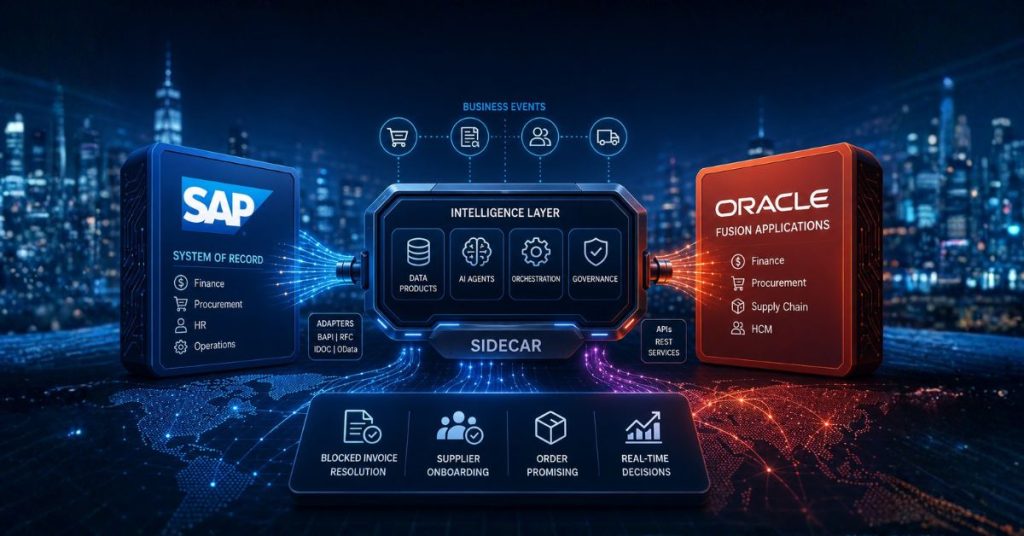
For two decades, enterprise technology strategy has centered on a single question: should an organization standardize on one ERP, or operate with several? By 2026, that framing has largely become moot. Most large enterprises already run SAP and Oracle in parallel, often alongside a long tail of custom applications, regional systems, and platforms inherited through […]
RAG 2.0: The Emerging Future of Enterprise Knowledge Systems
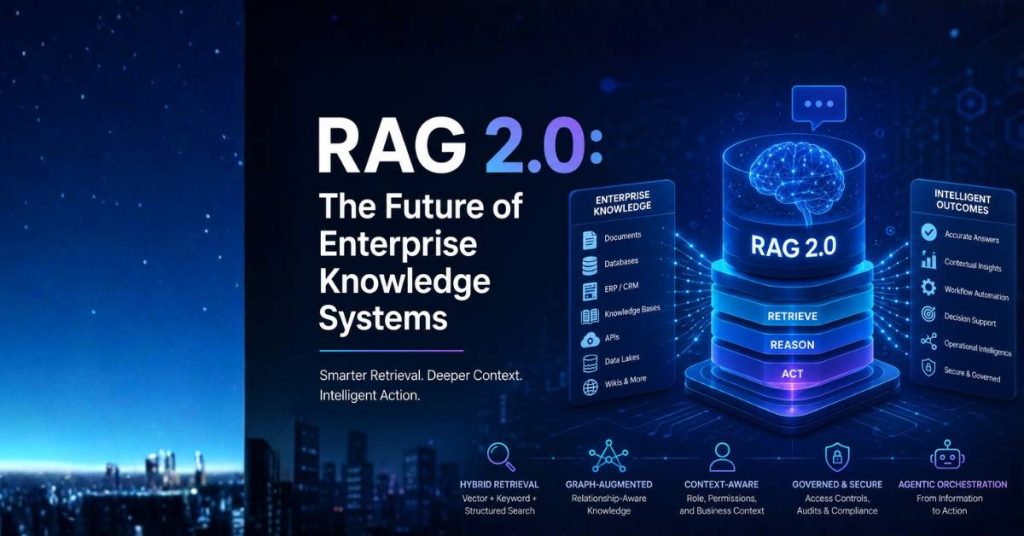
Artificial Intelligence is entering a new enterprise era. Organizations are no longer experimenting with AI solely through isolated chatbots or standalone copilots. Enterprises are now building intelligent systems capable of retrieving institutional knowledge, understanding operational context, supporting decision-making, and increasingly orchestrating business workflows. At the center of this evolution is Retrieval-Augmented Generation (RAG). RAG has […]
Legacy System Modernization: Strategies for Enterprise Transformation
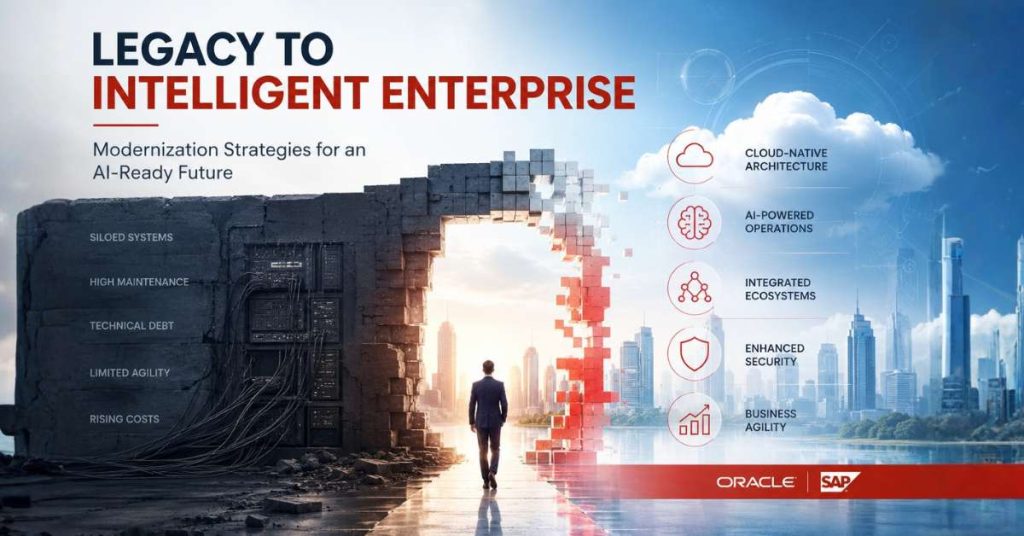
Legacy System Modernization Strategies | Varchai Enterprises worldwide are sitting on billions of dollars worth of aging infrastructure, COBOL mainframes, monolithic ERP deployments, on-premise Oracle EBS instances, and custom-built applications patched together over decades. These systems keep the lights on, but they also chain organizations to the past, blocking agility, inflating costs, and creating compounding […]
SAP Ariba: The Complete Guide to Intelligent Procurement
SAP Ariba: The Complete Guide to Intelligent Procurement | Varchai SAP Ariba Procurement Strategic Sourcing Supplier Management Source-to-Pay Spend Analytics Varchai Table of Contents 1. What Is SAP Ariba? 2. Why Intelligent Procurement Matters in 2026 3. Core Capabilities of SAP Ariba 4. The Source-to-Pay Journey 5. Key Business Benefits 6. Varchai’s SAP Ariba Services […]
Oracle HCM Cloud Services: Scalable HR Architecture

Modern enterprises require more than traditional HR systems. They need a scalable, API-driven, and data-centric human capital management platform that integrates seamlessly with enterprise ecosystems. Legacy HR architectures often suffer from data silos, fragmented workflows, and limited extensibility, making them inadequate for today’s dynamic workforce requirements. Oracle Fusion Cloud HCM addresses these challenges with a […]
SAP Data Migration Strategies for Seamless Transition to S/4HANA

Migrating to SAP S/4HANA is a major milestone in any organization’s digital transformation journey. While the platform delivers real-time analytics, simplified data models, and improved performance, the success of the transition largely depends on one critical factor: data migration strategy. Poor data quality or incomplete migration planning can delay go-live, increase costs, and impact business […]
Adopting Agentic AI in 2026: A Strategic Guide for Businesses and Innovators

Artificial intelligence is no longer just evolving, it is fundamentally transforming how organizations operate. In 2026, the rise of agentic AI marks a major shift from passive AI tools to proactive, goal-driven digital agents. Unlike traditional AI systems that respond to prompts, agentic AI systems can reason, plan, act, and coordinate complex workflows with minimal […]